Why Do Americans Prioritize “Cultural Fit” During The Job Interview Selection Process ?
If you’ve ever interviewed in the United States and heard, “You’re technically strong, but we’re still evaluating cultural fit,” you’re not alone—and you’re not imagining things.
Why do Americans prioritize “cultural fit” during the job interview selection process far more than many other countries? After 15+ years advising U.S. employers, HR leaders, and executive teams, I can tell you this emphasis didn’t happen by accident. It grew out of very real business pain—and it’s often misunderstood by both candidates and companies.
Let’s unpack what’s really going on.
A Hiring Mistake I Still Remember
Early in my consulting career, I helped a mid-sized Chicago firm hire a technically brilliant operations director. On paper, he was flawless—elite credentials, deep experience, impressive references.
Within six months, the team was fractured.
He clashed with peers, dismissed collaborative decision-making, and ignored informal norms that mattered deeply to the company. Productivity dropped. Two high performers quit.
When the CEO asked me what went wrong, the answer was uncomfortable but clear:
We hired for skill and ignored cultural fit.
That experience reshaped how I advise U.S. employers—and why cultural fit became non-negotiable.
What “Cultural Fit” Actually Means in the US (And What It Doesn’t)
This is a major information gap in most articles.
In the American hiring context, cultural fit is not about personality, hobbies, or “being like us.” At least, it shouldn’t be.
At its best, cultural fit means alignment with:
- Communication norms
- Decision-making style
- Accountability expectations
- Attitudes toward hierarchy
- Comfort with ambiguity and change
- Work pace and ownership
At its worst, it becomes a lazy proxy for bias—which we’ll address shortly.
Why Do Americans Prioritize “Cultural Fit” During the Job Interview Selection Process?
1. US Workplaces Are Structurally Less Formal
Compared to many global markets, U.S. organizations tend to have:
- Flatter hierarchies
- Faster decision cycles
- Looser job boundaries
Employees are expected to:
- Speak up
- Challenge ideas (not people)
- Take initiative without permission
If someone struggles in that environment, performance suffers—even with strong technical skills.
2. Collaboration Is Treated as a Core Skill
In the US, collaboration isn’t “nice to have.” It’s baked into performance expectations.
Employers prioritize cultural fit because they want people who can:
- Navigate conflict professionally
- Communicate clearly across roles
- Adapt to different working styles
Expert Insider Tip #1
In American hiring, “culture fit” often predicts team effectiveness more than raw intelligence.
3. At-Will Employment Raises the Stakes
Because most U.S. employment is at-will, hiring mistakes are costly—not just financially, but culturally.
A poor cultural fit can:
- Lower morale
- Increase turnover
- Trigger legal or HR issues
- Damage trust quickly
So employers try to screen for alignment early—even if imperfectly.
Cultural Fit vs Skills: How US Employers Weigh Them
| Hiring Factor | Weight in US Hiring | Why It Matters |
|---|---|---|
| Technical skills | High | Baseline competence |
| Cultural fit | Very High | Long-term retention |
| Communication style | High | Team performance |
| Adaptability | High | Fast-changing roles |
| Formal credentials | Medium | Context-dependent |
This is why candidates often hear: “We can train skills, but not mindset.”
The Legal and Ethical Tightrope
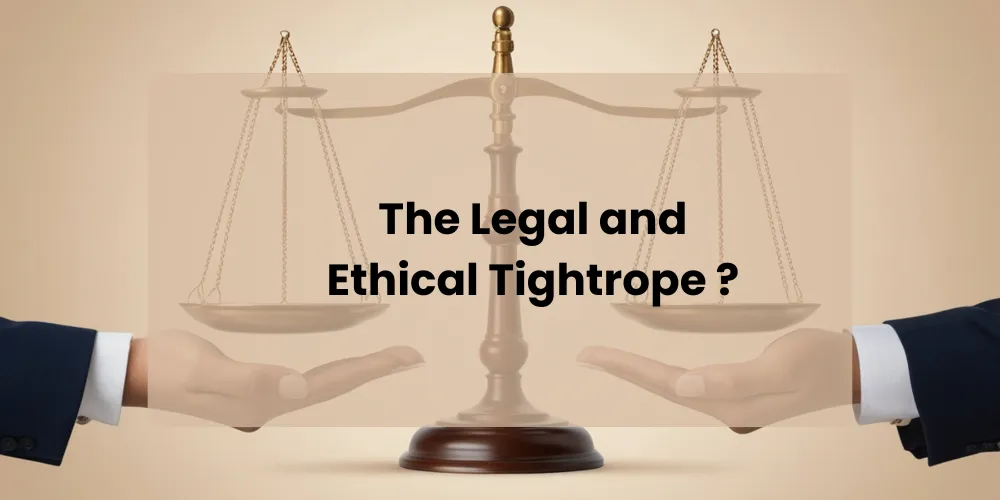
Here’s where cultural fit becomes controversial.
In the US, hiring decisions must comply with anti-discrimination laws. Cultural fit cannot legally mean:
- Similar background
- Same ethnicity, gender, or age
- Same beliefs or lifestyle
Expert Insider Tip #2
If an interviewer can’t clearly define cultural fit in job-related terms, it’s a legal liability—not a hiring strategy.
Smart employers document cultural criteria in behavior-based language, such as:
- “Comfort giving and receiving feedback”
- “Ability to work in low-structure environments”
- “Openness to cross-functional collaboration”
Why Candidates Often Misread “Cultural Fit”
From the candidate side, cultural fit can feel:
- Vague
- Subjective
- Unfair
- Personal
That’s because many companies fail to explain their culture clearly.
When candidates don’t understand:
- How decisions are made
- How conflict is handled
- How success is measured
They can’t demonstrate alignment—even if they’re a great fit.
Common Pitfalls & Warnings
Using “culture fit” as a gut feeling
This invites unconscious bias and inconsistent hiring.
Hiring for sameness instead of values
Homogeneous teams stagnate and increase risk.
Ignoring inclusion and diversity
Cultural fit must evolve as teams grow more diverse.
Penalizing different communication styles
Especially harmful for international or neurodiverse candidates.
Expert Insider Tip #3
The strongest US teams hire for culture add, not culture clone.
How Smart US Companies Redefine Cultural Fit
Leading employers now focus on:
- Values alignment, not personality
- Behavioral evidence, not vibes
- Structured interviews, not casual chats
- Clear rubrics, not impressions
They ask questions like:
- “Tell me about a time you disagreed with your manager.”
- “How do you handle unclear priorities?”
- “What does accountability look like to you?”
Is cultural fit more important than skills in the US?
Often yes—once baseline skills are met. Poor cultural alignment can undermine strong technical ability.
Is cultural fit just another word for bias?
It can be if misused. When defined behaviorally and tied to job performance, it’s legitimate.
Can cultural fit hiring be illegal?
Yes, if it results in discriminatory outcomes or relies on protected characteristics.
How can candidates demonstrate cultural fit?
By showing how their work style, communication, and values align with the company’s operating norms.
The Real Reason This Matters
So—why do Americans prioritize “cultural fit” during the job interview selection process?
Because in the US workplace:
- Teams move fast
- Roles evolve constantly
- Collaboration outweighs credentials
- Misalignment is expensive
When done well, cultural fit improves performance and retention.
When done poorly, it masks bias and drives talent away.
The difference isn’t intention—it’s clarity and discipline.