How To Start A Career In The Us Legal Cannabis Industry As A Compliance Officer ?
I’ve spent more than 15 years advising regulated businesses in the United States—healthcare, financial services, alcohol distribution, and, more recently, legal cannabis. Few industries have grown this fast and made compliance this central to survival.
If you’re researching how to start a career in the US legal cannabis industry as a compliance officer, you’re already thinking like an insider. This role isn’t optional window dressing. In cannabis, compliance is the business.
A Real-World Moment That Changed How I See Cannabis Compliance
A few years ago, a multi-state cannabis operator hired me after receiving a surprise state audit. On paper, they were “compliant.” In reality, their seed-to-sale tracking didn’t match their inventory records, and their staff had been trained using outdated regulations from another state.
The result?
- Operations paused for weeks
- Six-figure penalties
- A delayed expansion plan that cost them prime retail locations
That experience taught me something important: cannabis compliance officers aren’t rule-followers—they’re risk managers, translators, and business protectors.
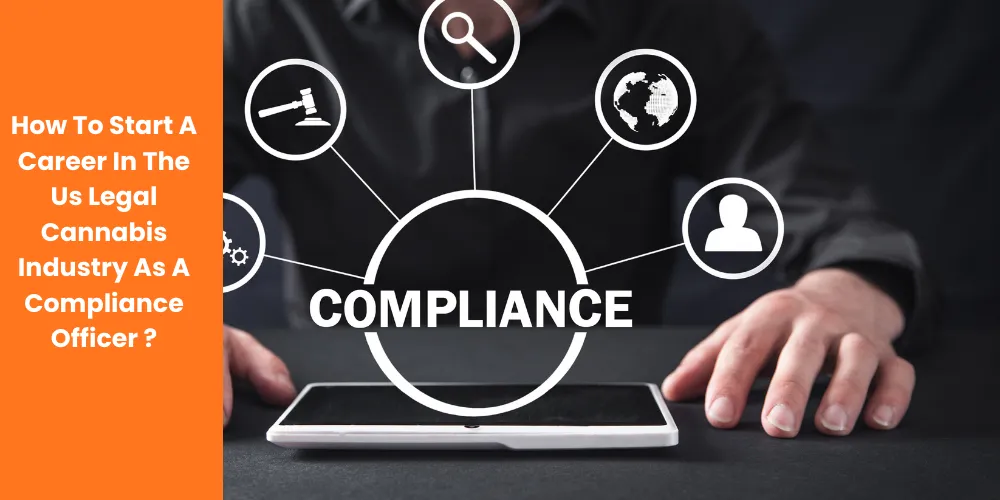
What a Cannabis Compliance Officer Actually Does
A common mistake I see is assuming this is just paperwork. It’s not.
A cannabis compliance officer in the US typically handles:
- State and local cannabis regulations
- Seed-to-sale tracking systems (METRC, BioTrack, Leaf Data Systems)
- SOP development and staff training
- License renewals and applications
- Audit preparation and regulator communication
- Internal compliance audits and risk assessments
You sit at the intersection of law, operations, and revenue.
Why Compliance Officers Are in High Demand Right Now

The legal cannabis industry operates under a rare combination of factors:
- Cannabis is legal at the state level, illegal federally
- Regulations vary dramatically by state
- Rules change constantly
- Penalties can shut businesses down overnight
That makes compliance officers indispensable.
Information gap most articles miss:
Many operators would rather hire a strong compliance professional without cannabis experience than a cannabis “expert” who doesn’t understand regulatory systems.
This is your opening.
Skills You Need (And What Actually Matters)
You don’t need to be a lawyer. But you do need regulatory discipline.
High-Value Transferable Skills
- Regulatory compliance (any industry)
- Risk management
- SOP writing and documentation
- Audit preparation
- Policy interpretation
- Training and internal controls
Nice-to-Have Cannabis-Specific Knowledge
- State cannabis codes
- Seed-to-sale systems
- Cannabis licensing structures
- Product categories (flower, edibles, concentrates)
Expert Insider Tip
If you come from healthcare, finance, alcohol, or food safety compliance, you already have a massive advantage. Cannabis employers care more about your compliance mindset than your cannabis knowledge.
Education & Certifications: What Helps (And What’s Overrated)
There’s no single “cannabis compliance degree.” Be careful with expensive promises.
Credentials That Actually Help
- Compliance certifications (CRCMP, CCEP-style programs)
- Regulatory affairs training
- State-specific cannabis compliance courses
- Internal audit or risk certifications
What to Be Skeptical Of
- “Guaranteed cannabis job” courses
- Non-accredited certifications with no employer recognition
- Programs that ignore state-by-state differences
State-by-State Reality: Why Location Matters
Cannabis compliance is not national. Your strategy must be state-focused.
High-Opportunity States for Compliance Careers
- California
- New York
- New Jersey
- Illinois
- Massachusetts
- Colorado
Comparison Table: Compliance Officer Requirements by State
| State | Regulatory Complexity | Demand for Compliance Officers | Typical Salary Range |
|---|---|---|---|
| California | Very High | Extremely High | $85k–$140k |
| New York | High (new market) | Rapidly Growing | $80k–$130k |
| Colorado | Mature | Steady | $75k–$120k |
| Illinois | High | Strong | $80k–$135k |
Ranges vary by company size and multi-state operations.
How To Get Your First Cannabis Compliance Role
Here’s the practical path I recommend to clients:
- Pick a target state and study its cannabis code
- Learn the state’s seed-to-sale system
- Build a compliance resume, not a cannabis resume
- Apply to operators, MSOs, and compliance consultancies
- Network with regulators, not influencers
Expert Insider Tip
Hiring managers love candidates who say:
“I don’t know everything about cannabis yet—but I know how to build systems regulators trust.”
That statement alone has landed interviews.
The Information Gap Most Career Guides Miss
Most content talks about getting hired. Almost none talk about long-term career growth.
Strong cannabis compliance officers often move into:
- Director of Compliance
- VP of Regulatory Affairs
- Chief Risk Officer
- Multi-state compliance consulting
- Advisory roles for investors
This isn’t a dead-end role. It’s a launchpad.
Common Pitfalls & Warnings
What NOT to Do
- Don’t rely on federal legalization rumors
- Don’t assume rules are the same across states
- Don’t use outdated compliance templates
- Don’t hide compliance issues from leadership
Consequences
- License suspension
- Personal liability
- Career damage in a small industry
- Loss of regulator trust
Expert Insider Tip
Regulators talk to each other. Your reputation as a compliance officer follows you across companies and states.
Do I need a law degree to become a cannabis compliance officer?
No. Many successful compliance officers come from healthcare, finance, food safety, or alcohol regulation backgrounds.
Is cannabis compliance a stable career?
Yes. Compliance roles tend to survive downturns because regulators don’t disappear when markets slow.
How long does it take to break into the cannabis industry?
With transferable compliance experience, many professionals transition within 6–12 months.
Is the salary competitive compared to other industries?
In many states, cannabis compliance salaries are equal to or higher than traditional compliance roles due to regulatory risk.
Final Thoughts: Is This the Right Career Move?
If you’re serious about how to start a career in the US legal cannabis industry as a compliance officer, understand this:
This role isn’t about cannabis culture.
It’s about protecting licenses, revenue, and reputations.
For professionals who enjoy structure, accountability, and being indispensable, cannabis compliance is one of the most overlooked—and rewarding—paths in the US market today.