Why Do Us Employers Value Emotional Intelligence As Much As Technical Hard Skills ?
This question comes up in almost every hiring conversation I have with U.S. companies: why do US employers value emotional intelligence as much as technical hard skills?
The simple answer is this:
skills get you hired, but behavior decides if you stay, grow, or lead.
I’ve seen brilliant people fail in great jobs. Not because they lacked skills—but because they couldn’t work well with others.
A Real Hiring Moment I Still Remember
A few years ago, I helped a U.S.-based tech company hire a senior engineer. On paper, one candidate was perfect. Strong resume. Top test scores. Clean projects.
But during interviews, he interrupted others. He dismissed feedback. He blamed past teams for failures.
Another candidate had slightly weaker technical skills—but listened, asked questions, and handled stress calmly.
They hired the second one.
Six months later, the team was stronger, faster, and happier.
That moment explains why US employers value emotional intelligence as much as technical hard skills.
What Emotional Intelligence Really Means at Work
Emotional intelligence (EQ) is not “being nice.”
It’s the ability to:
- Understand your own emotions
- Control reactions under pressure
- Read other people’s feelings
- Communicate clearly and respectfully
- Handle conflict without drama
In U.S. workplaces, this matters every day.
Why Technical Skills Alone Are No Longer Enough
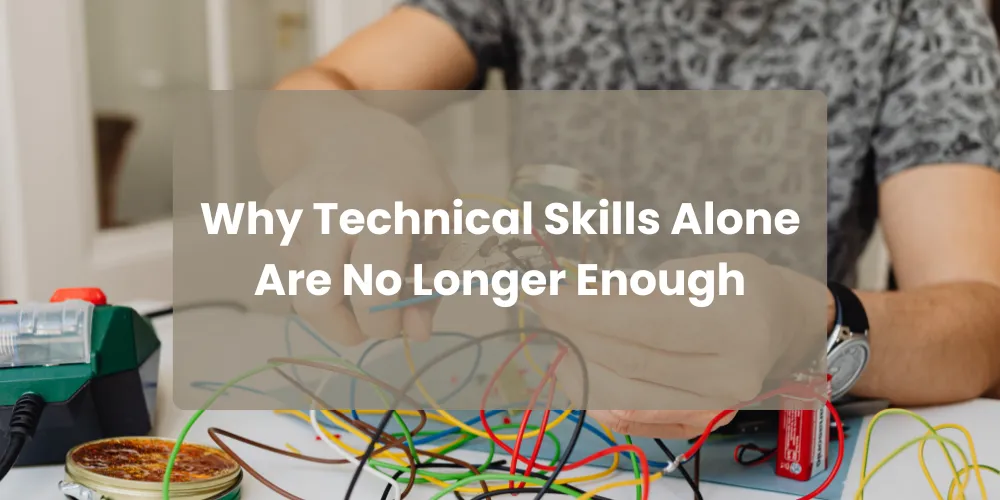
Hard skills are still important. No debate there.
But in modern U.S. companies:
- Work is team-based
- Roles change fast
- Problems are often unclear
- Stress is constant
If someone can’t adapt or communicate, their technical skill loses value.
🔹 Expert Insider Tip #1
Most firing decisions are emotional, not technical. People are let go for poor communication, attitude, or trust issues—not lack of skill.
The Business Case: Why Employers Care So Much
Let’s get practical.
US employers value emotional intelligence because it protects time, money, and culture.
High-EQ employees:
- Resolve conflicts faster
- Take feedback without ego
- Work better across teams
- Handle pressure without burnout
- Earn trust from clients and leaders
Low-EQ employees create:
- Team tension
- Missed deadlines
- Manager burnout
- Quiet quitting or fast turnover
Emotional Intelligence vs Technical Skills: A Simple Comparison
| Factor | Technical Hard Skills | Emotional Intelligence |
|---|---|---|
| Easy to measure | Yes | No |
| Easy to train | Sometimes | Takes time |
| Affects teamwork | Indirectly | Directly |
| Impacts leadership | Limited | Very high |
| Drives long-term success | Medium | High |
This table shows clearly why US employers value emotional intelligence as much as technical hard skills—sometimes even more.
Why EQ Matters More as You Move Up

Early career roles focus on what you can do.
Mid-to-senior roles focus on how you work with others.
As you grow:
- You lead meetings
- You manage people
- You influence decisions
- You represent the company
Technical skill opens the door.
Emotional intelligence keeps it open.
🔹 Expert Insider Tip #2
If two candidates have equal skills, U.S. employers almost always choose the one who feels easier to work with.
Remote Work Changed the Rules
This is an often-missed point.
Remote and hybrid work made EQ more important, not less.
Why?
- Fewer visual cues
- More written communication
- Less informal conflict repair
- Higher risk of misunderstandings
Clear tone, empathy, and self-control now matter more than ever.
Common Pitfalls & Warnings
This is where many professionals go wrong.
What NOT To Do:
- Assume skills excuse bad behavior
- Ignore feedback about communication
- Confuse confidence with arrogance
- Avoid conflict instead of addressing it
The Consequences:
- Stalled promotions
- Damaged reputation
- Being labeled “hard to work with”
- Missed leadership opportunities
In the U.S. market, reputation travels fast.
🔹 Expert Insider Tip #3
You don’t need to be outgoing. Many high-EQ professionals are quiet. EQ is about awareness and control, not personality type.
How US Employers Spot Emotional Intelligence
They don’t just ask directly.
They look for:
- How you talk about past teams
- How you handle tough questions
- Whether you take responsibility
- How you react to pushback
Behavior in interviews predicts behavior on the job.
Why do US employers value emotional intelligence as much as technical hard skills?
Because EQ affects teamwork, leadership, retention, and culture—areas where technical skills alone fall short.
Can emotional intelligence be learned?
Yes. With practice, feedback, and self-awareness, EQ can improve over time.
Is emotional intelligence more important than hard skills?
Not always. Early roles need skills first. Long-term success needs both.
How can I show emotional intelligence in interviews?
Listen carefully, own mistakes, speak respectfully about past teams, and stay calm under pressure.
Final Thoughts
So, why do US employers value emotional intelligence as much as technical hard skills?
Because skills build products—but people build companies.
In today’s U.S. workplace, the best professionals are not just smart.
They are aware. Calm. Trustworthy. Easy to work with.
If you want long-term growth, promotions, and leadership roles, don’t just sharpen your skills.
Build your emotional intelligence.
That’s what turns ability into real career power.